
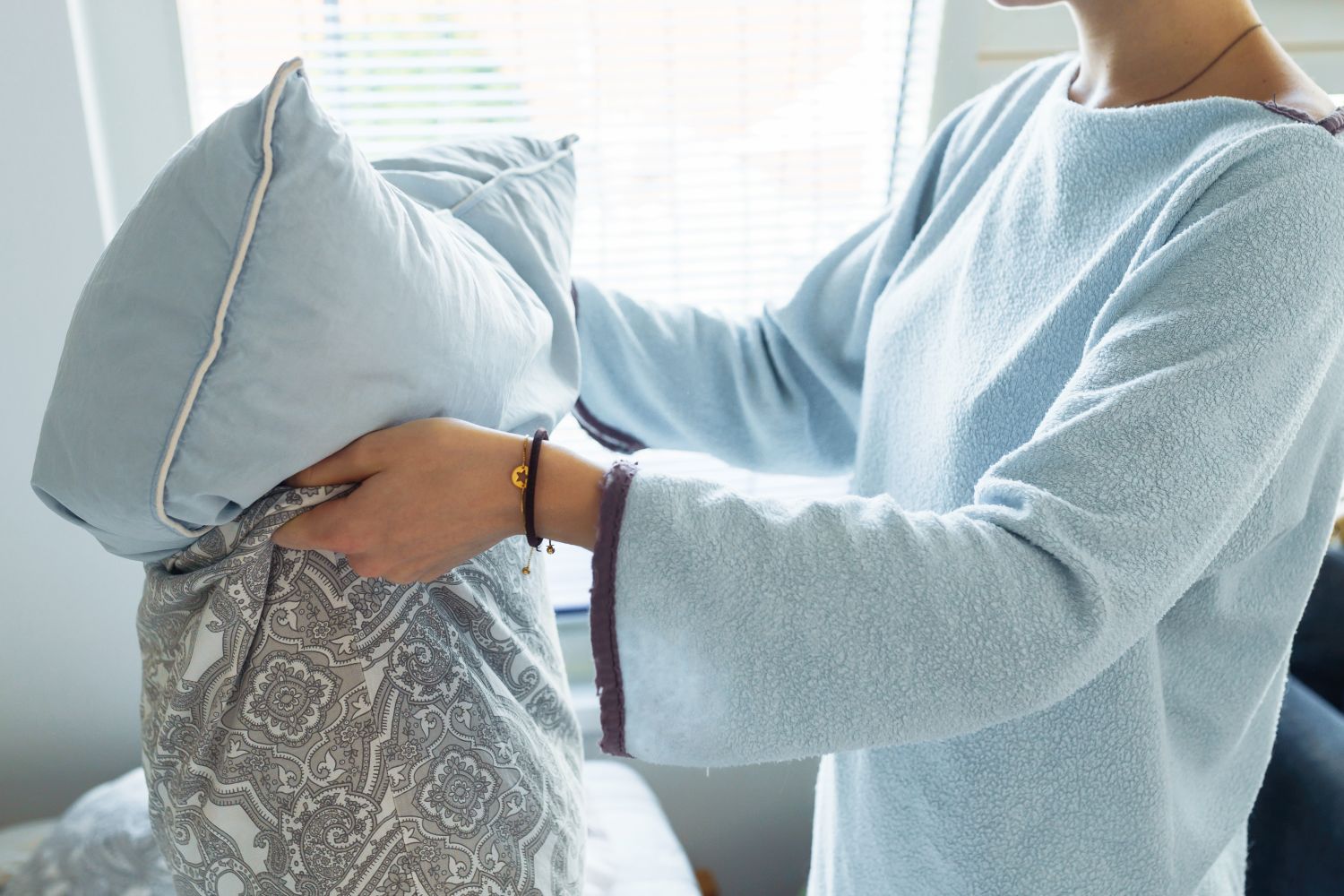
The secret to flawless skin might be resting right under your head each night. While we often focus on creams and treatments, the choice of pillowcase can significantly impact your skin’s health. From the interplay of sleep and skin rejuvenation to the benefits of materials like silk and cotton, understanding these nuances is essential. Explore how pillowcases contribute to conditions like acne and aging, and discover tips for optimal maintenance to elevate your skincare routine.
Connection Between Sleep and Skin Health
Research indicates that quality sleep is fundamental for skin regeneration, with inadequate sleep potentially contributing to increased signs of aging and skin irritations.
A study published in the Journal of Investigative Dermatology demonstrates that individuals who sleep less than seven hours per night exhibit heightened levels of skin dryness and roughness. This occurs because sleep deprivation negatively impacts hydration levels and reduces skin elasticity.
To enhance skin health, it is advisable to aim for seven to nine hours of quality sleep. Additionally, establishing a bedtime routine may be beneficial and could include the following practices:
- Limiting screen time
- Utilizing relaxation techniques
- Maintaining a consistent sleep schedule
Incorporating these habits can lead to a significant improvement in the skin’s appearance over time.
Material Matters
The selection of pillowcase material can significantly impact the health of both skin and hair, with materials such as silk and cotton providing distinct advantages.
Cotton vs. Silk: Which is Better?
Silk pillowcases are renowned for their moisture-wicking properties, while cotton variants are recognized for their breathability; both materials present unique advantages for skincare.
Silk pillowcases can reduce skin irritation by approximately 30% due to their smooth texture, which minimizes friction. This feature is particularly advantageous for individuals with sensitive skin or conditions such as eczema.
Conversely, cotton pillowcases offer excellent breathability, making them suitable for warmer climates. Additionally, their moisture-absorbing qualities may be beneficial for individuals with oily skin types.
Ultimately, the decision between silk and cotton pillowcases should be based on individual skin type and personal comfort preferences. For optimal results, it may be beneficial to alternate between the two to fully appreciate the distinct advantages that each material provides.
Hypoallergenic Options
Hypoallergenic pillowcases are specifically engineered to minimize allergens that may irritate sensitive skin, thereby contributing to a healthier sleep environment.
Two widely recognized hypoallergenic materials are bamboo and microfiber. Bamboo pillowcases, such as those offered by Cariloha, are known for their breathability and moisture-wicking properties, which effectively reduce the presence of dust mites and other allergens.
Microfiber alternatives, like those available from Nestl, provide a soft texture and are resistant to mold and mildew. To ensure optimal effectiveness, it is advisable to select brands that explicitly label their products as hypoallergenic and suitable for easy washing.
Additionally, regular laundering in hot water can further diminish allergens, ensuring a healthier sleeping environment for individuals with sensitivities.
Impact on Skin Conditions
The selection of pillowcase material can considerably affect skin conditions, particularly for individuals who are susceptible to acne and various irritations.
Acne and Pillowcases
Utilizing a pillowcase that contains bacteria can worsen acne, making regular cleaning imperative for the maintenance of clear skin.
To mitigate the accumulation of bacteria, it is advisable to wash your pillowcase every 3 to 4 days, particularly for individuals with acne-prone skin. It is recommended to use natural detergents that are free from harsh chemicals, as these are gentler on the skin.
As an additional precaution, consider using a separate pillowcase crafted from hypoallergenic materials. Adopting these cleaning practices not only reduces the presence of bacteria but also contributes to a healthier sleeping environment, ultimately supporting the skin’s healing process.
Effects on Aging Skin
Research indicates that silk pillowcases can effectively minimize friction and enhance skin hydration, potentially delaying the onset of aging signs. A study published in the Journal of Cosmetic Dermatology revealed that participants using silk pillowcases experienced a 30% reduction in wrinkle formation over a six-month period compared to those using traditional cotton cases. This benefit is primarily attributed to silk’s low absorbency, which aids in maintaining skin moisture.
To maximize these advantages, it is advisable to select pillowcases made from 100% mulberry silk with a momme weight of at least 19, ensuring both durability and softness. Furthermore, combining silk pillowcases with a nightly application of hyaluronic acid serum can significantly enhance skin hydration and elasticity, thus promoting a more youthful appearance.
Maintenance and Hygiene
The proper maintenance of pillowcases is essential for ensuring their effectiveness in promoting skin health and hygiene.
Washing Frequency
Experts recommend washing pillowcases on a weekly basis to minimize the accumulation of oils, dirt, and allergens that can adversely affect skin health.
Different materials necessitate varying levels of care. For example, cotton pillowcases can be machine washed in warm water and tumble dried, which simplifies maintenance.
Conversely, satin and silk pillowcases should be hand washed or gently machine washed on a delicate cycle to avoid damage, preferably using a mild detergent.
For pillowcases made from microfiber, washing them every two weeks may be adequate due to their stain-resistant properties. Regular cleaning not only extends the lifespan of bedding but also fosters a healthier sleep environment, free from potential irritants.
Cleaning Products to Use
Utilizing gentle, fragrance-free detergents is essential for preventing skin irritation when cleaning pillowcases, particularly for individuals with sensitive skin. It is advisable to consider detergents such as Seventh Generation or Ecover, which are plant-based and formulated to be safe for sensitive skin.
For cotton pillowcases, it is recommended to wash them in cold water to prevent shrinkage and fading, employing a gentle cycle. In the case of silk pillowcases, a hand wash or delicate cycle should be chosen to preserve their texture; a detergent specifically designed for silk is recommended.
It is important to avoid bleach and fabric softeners, as these can damage the fibers and cause skin irritation. To ensure cleanliness and to reduce allergens, it is advisable to wash pillowcases on a weekly basis.
Choosing the Right Pillowcase
Selecting the appropriate pillowcase necessitates careful consideration of several factors, including the type of fabric, ease of maintenance, and individual skin requirements.
Factors to Consider
When selecting a pillowcase, it is essential to consider factors such as fabric type, potential allergens, and the impact of each material on skin hydration and overall comfort.
Cotton pillowcases are known for their breathability and hypoallergenic properties, making them a widely favored option; it is advisable to choose 100% organic varieties to minimize exposure to chemicals.
In contrast, silk pillowcases are gentle on both skin and hair, reducing friction and promoting hydration, although they require careful washing.
For those seeking hypoallergenic alternatives, microfiber or bamboo pillowcases are commendable options, as both materials are resistant to dust mites.
Regular maintenance is vital; washing pillowcases on a weekly basis helps to minimize allergens and preserve their integrity.
Ultimately, selecting a fabric that aligns with your skin type and personal comfort preferences will enhance your overall sleep experience.