
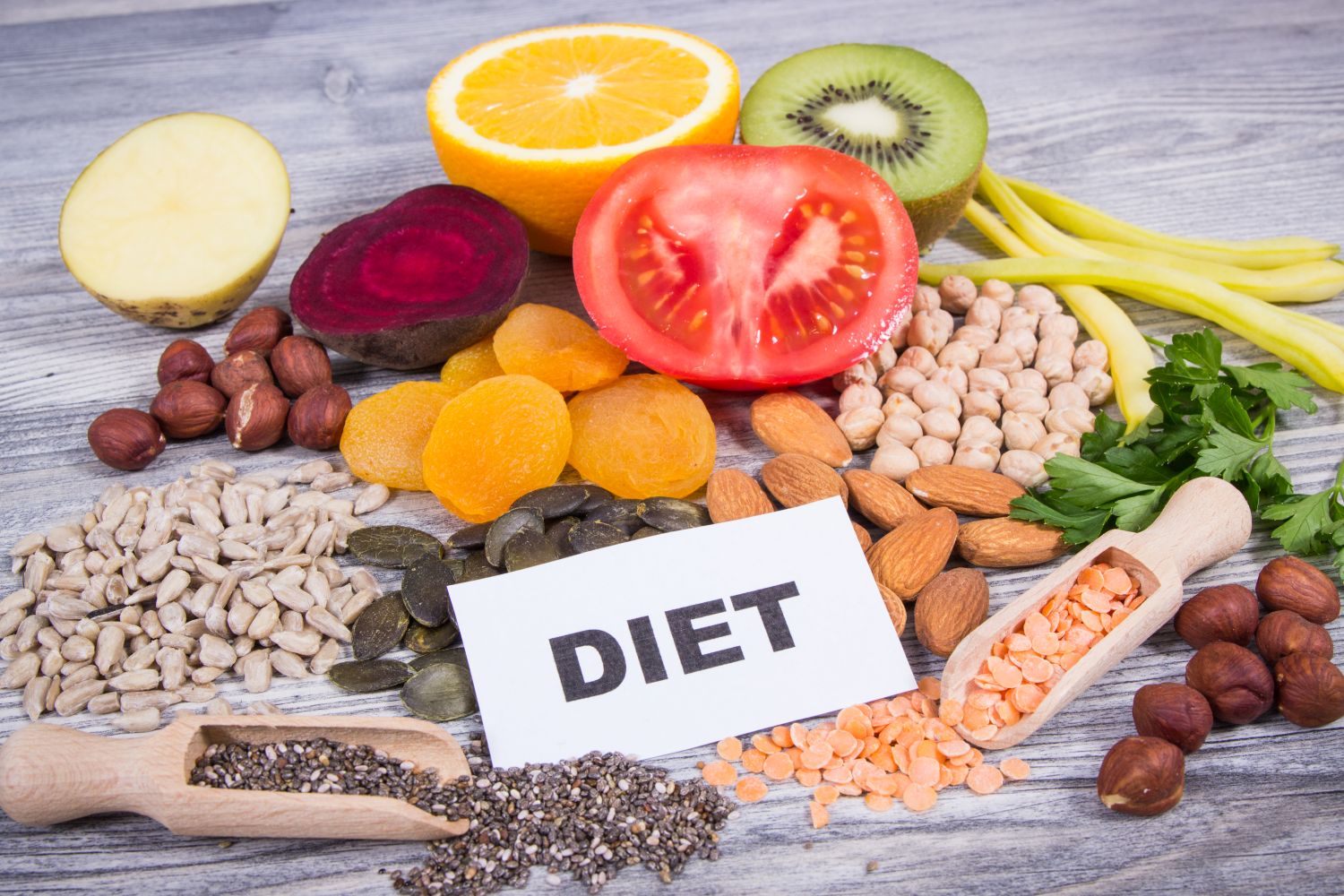
Achieving clear skin may be as simple as rethinking your plate. With acne affecting millions, understanding the powerful connection between diet and skin health is essential. By exploring key nutrients that promote a radiant complexion, identifying harmful foods, and implementing strategic dietary changes, you can pave the way for healthier skin. Discover how to incorporate antioxidant-rich meals and hydration strategies that combat breakouts, ultimately guiding you toward a sustainable approach to skin wellness.
Understanding Acne: Causes and Triggers
Acne is frequently triggered by a complex interplay of hormonal changes, genetic predispositions, and environmental factors, with diet playing a critical role in exacerbating these conditions. Research demonstrates that hormonal fluctuations, particularly during puberty or menstrual cycles, can lead to increased oil production, thereby making the skin more susceptible to acne.
Diets that are high in refined carbohydrates and sugars, such as white bread and sugary snacks, have been associated with an increase in acne severity. A study published in the ‘Journal of the American Academy of Dermatology’ indicates that reducing the intake of high glycemic index foods can significantly enhance skin health.
To effectively manage acne, it is advisable to consider adopting a low glycemic diet while simultaneously monitoring hormonal changes.
The Role of Nutrition in Skin Health
A balanced diet that is rich in essential nutrients is crucial for maintaining skin health and preventing the occurrence of acne outbreaks.
Essential Nutrients for Clear Skin
Key nutrients, including vitamins A, C, E, and omega-3 fatty acids, are essential for promoting clear skin and effectively combating acne. To enhance skin health, it is advisable to incorporate these nutrients into the daily diet.
- For instance, one should aim for an intake of 700-900 mcg of vitamin A, which can be obtained through the consumption of carrots and sweet potatoes.
- Vitamin C, which is present in citrus fruits and bell peppers, should be included with a recommended intake of 75-90 mg.
- Vitamin E can be sourced from nuts and seeds, with an advised daily consumption of approximately 15 mg.
- Omega-3 fatty acids, found in fatty fish such as salmon and chia seeds, should be consumed in two servings per week or through dietary supplements.
This targeted approach ensures comprehensive nutrition for the skin.
Foods to Avoid for Acne Prevention
Certain foods, particularly those high in sugar and processed carbohydrates, can trigger inflammation and exacerbate acne symptoms. To enhance skin health, it is advisable to avoid the following categories:
- Dairy, which may increase sebum production.
- Sugary snacks, such as candy and soda, that can elevate insulin levels.
- Refined grains found in white bread or pastries, which are associated with increased inflammation.
Research indicates that a diet low in these food types can contribute to a reduction in the severity of acne. Instead, attention should be directed towards incorporating whole foods that are rich in omega-3 fatty acids, such as salmon and walnuts, as well as fruits and vegetables that provide essential vitamins and antioxidants, promoting healthier skin.
Key Dietary Changes for Clear Skin
Implementing intentional dietary modifications can substantially improve skin health and diminish the occurrence of acne flare-ups, resulting in clearer skin over time.
Incorporating Antioxidant-Rich Foods
Incorporating antioxidant-rich foods such as berries, leafy greens, and nuts can effectively combat oxidative stress, which is associated with skin inflammation and acne. To enhance skin health, it is advisable to include specific antioxidant-rich foods in one’s diet.
For instance, a serving of blueberries (1 cup) is rich in vitamin C and can be enjoyed in smoothies or oatmeal. Similarly, spinach (1 cup cooked) provides lutein and can be easily incorporated into salads or served as a side dish.
- Almonds (1 oz) are an excellent source of vitamin E and serve as a nutritious snack.
It is recommended to regularly include these foods in meals, as variety not only enhances flavor but also maximizes the dietary benefits for skin health.
The Importance of Hydration
Proper hydration is crucial for maintaining skin elasticity and preventing dryness. Research indicates that consuming a minimum of 2 liters of water daily can significantly enhance the appearance of the skin.
To improve hydration, individuals may consider infusing their water with fruits such as lemon, cucumber, or berries, which can provide additional flavor and nutrients. Utilizing a reusable water bottle can facilitate easy tracking of daily water intake.
Incorporating water-rich foods, such as cucumbers, oranges, and watermelon, can also play a vital role in achieving hydration goals.
Setting reminders on one’s phone can be an effective strategy to ensure consistent water consumption, particularly during busy days. It is important to recognize that staying hydrated not only benefits the skin but also supports overall health.
Meal Planning for Clear Skin
Strategic meal planning can promote the consumption of skin-friendly foods while minimizing exposure to acne triggers, thereby aiding in the maintenance of a clear complexion.
Sample Meal Ideas
The following are three sample meal ideas specifically formulated to promote clear skin:
- A quinoa salad with spinach and cherry tomatoes
- A salmon bowl featuring avocado
- A berry smoothie with chia seeds
The quinoa salad offers antioxidants from the cherry tomatoes and vitamin K from the spinach, both of which are beneficial for skin health. The salmon bowl, rich in omega-3 fatty acids, combines grilled salmon with creamy avocado, known for its hydrating properties. The berry smoothie incorporates blueberries and strawberries along with chia seeds, which are abundant in vitamins and fiber.
To prepare these meals, one should begin by cooking the quinoa, then assemble the salad using fresh ingredients. The salmon should be grilled, and the smoothie can be created by blending the berries with chia seeds. This straightforward process results in nutrient-dense meals that support the vitality of the skin.
Snacks that Promote Healthy Skin
Healthy snacks, such as carrot sticks with hummus, almonds, and dark chocolate, can provide nourishment while simultaneously promoting skin health. For optimal skin benefits, the following options are recommended:
- Carrot sticks with hummus are rich in beta-carotene and healthy fats, which contribute to hydration and elasticity of the skin.
- A handful of almonds offers vitamin E, an essential nutrient for skin repair.
- Dark chocolate, particularly varieties containing 70% cocoa or higher, is rich in antioxidants that can enhance circulation.
To facilitate the preparation of these snacks, it is advisable to pre-cut vegetables and portion almonds into small bags for convenient on-the-go consumption. Additionally, keeping dark chocolate squares in a visible location can help manage portion control while allowing for the enjoyment of a daily treat.
Supplements and Their Impact on Skin
Certain supplements, such as omega-3 fatty acids and probiotics, may offer enhanced support for skin health, especially for individuals with dietary restrictions.
Additional beneficial supplements include collagen, which is known to improve skin elasticity, and vitamin E, recognized for its antioxidant properties.
Collagen peptides, which can be ingested in powdered form (with a recommended dosage of 2.5 to 15 grams daily), are particularly noted for their ability to enhance skin hydration and reduce the appearance of wrinkles. Vitamin E, available in both capsule form and as a topical oil, is typically recommended at a dosage of 15 mg per day to improve skin barrier function.
It is important to consult with a healthcare professional before initiating any supplementation to ensure safety and appropriateness based on individual health conditions.